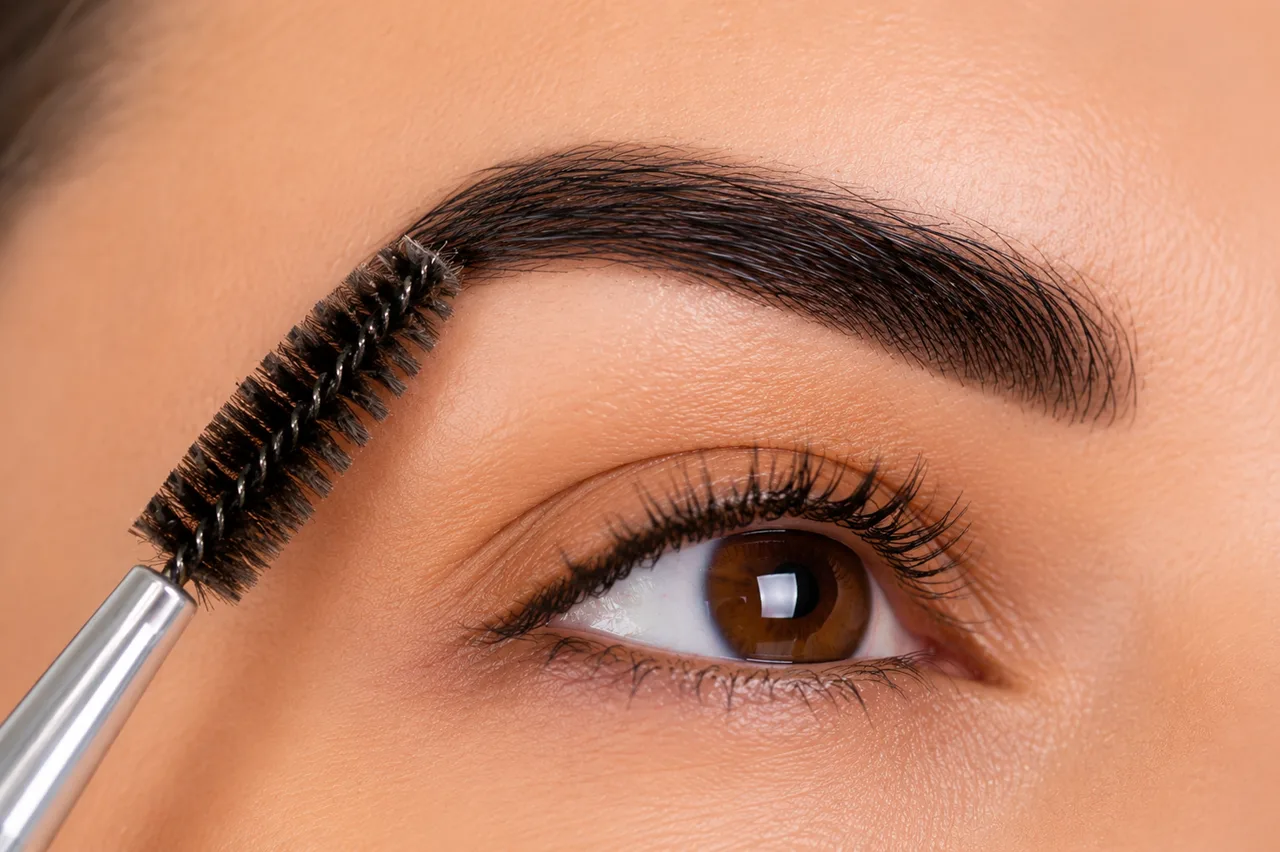
Technique 06 · BHT

Body Hair Transplant in Dubai (BHT)

When the scalp donor area has reached its limit, the beard, chest and body become a second reserve — extending what is possible for advanced hair loss, repeat procedures and repair cases.

Extends the Donor Supply

Beard, chest, abdomen, back and legs become a second reserve

Beard Hair for Real Density

Thick, dense grafts suited to the crown and mid-scalp

Combined With Scalp Grafts

Used to supplement, not replace, scalp donor hair

Built for Advanced & Repair Cases

For depleted donors, over-harvesting and prior poor-quality transplants

Body hair transplant Dubai

Body Hair Transplant (BHT) uses follicles harvested from the beard, chest, abdomen, back or legs when the scalp donor area cannot supply enough grafts. It is performed with FUE extraction, usually in combination with scalp grafts rather than instead of them. Beard hair is the most useful body donor because it is thick and dense, making it well suited to adding bulk in the crown and mid-scalp.

Anaesthetic
Local
Session length
6–9 hours
Typical grafts
500–2,500 body grafts
Back to work
5–7 days
Shaving
Donor sites only
Results
12–18 months

The Technique

What Is Body Hair Transplant?

Every patient has a finite scalp donor supply. Once it is exhausted — through advanced hair loss, previous over-harvesting, or several prior procedures — conventional transplantation has nothing left to move. BHT answers that by treating the beard, chest, abdomen, back and legs as a secondary donor reserve, harvested using the same FUE punch technique.

Beard hair is by far the most valuable of these. It is thick, grows densely under the jaw and neck, and yields grafts of a calibre that adds real visual bulk. Chest and body hair are finer and grow in shorter cycles, which makes them better suited to blending, filling and adding background density than to building a hairline.

Body hair behaves differently from scalp hair once transplanted. It keeps some of its original growth cycle, so it tends to reach a shorter maximum length, and its texture and curl may differ. For that reason BHT is almost always used as a supplement to scalp grafts, placed where the difference is least visible — the crown, mid-scalp and behind the frontal zone.
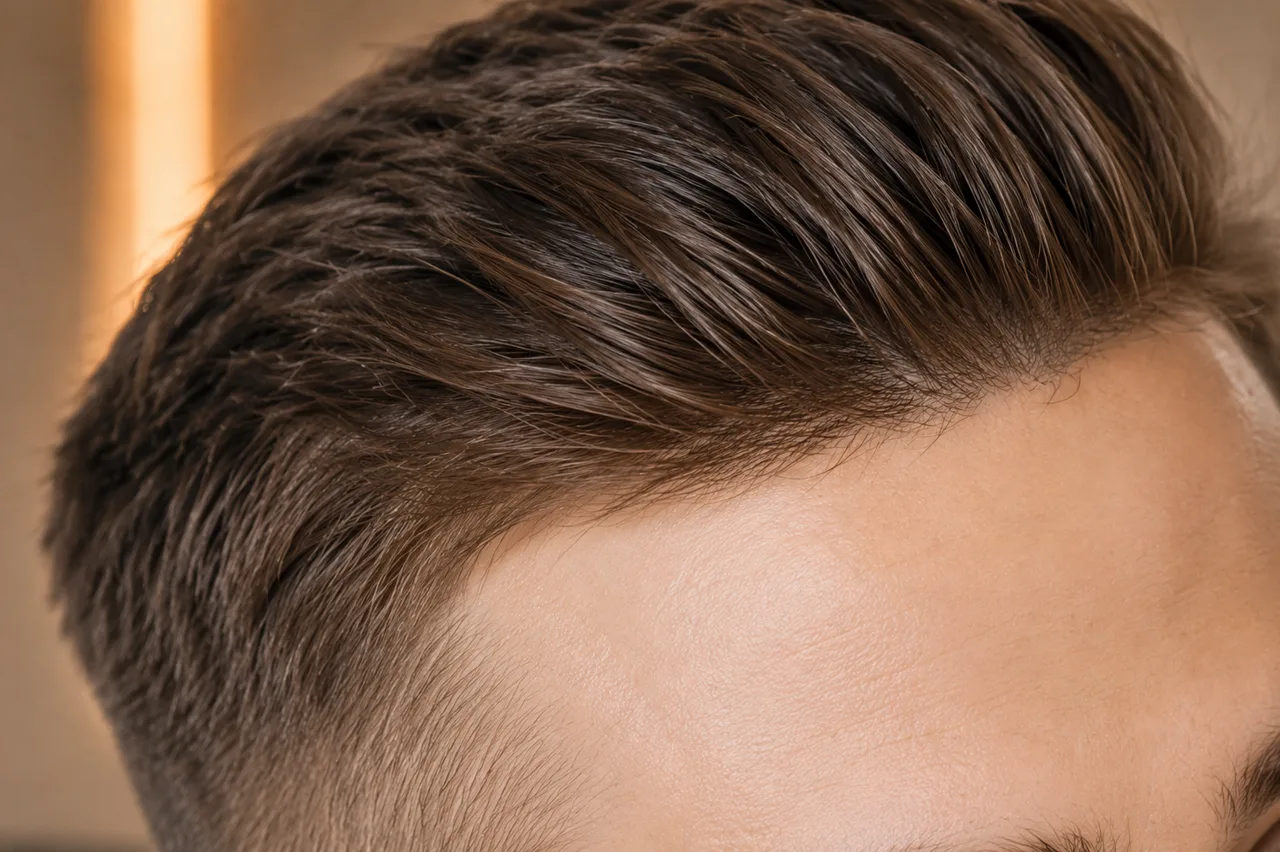
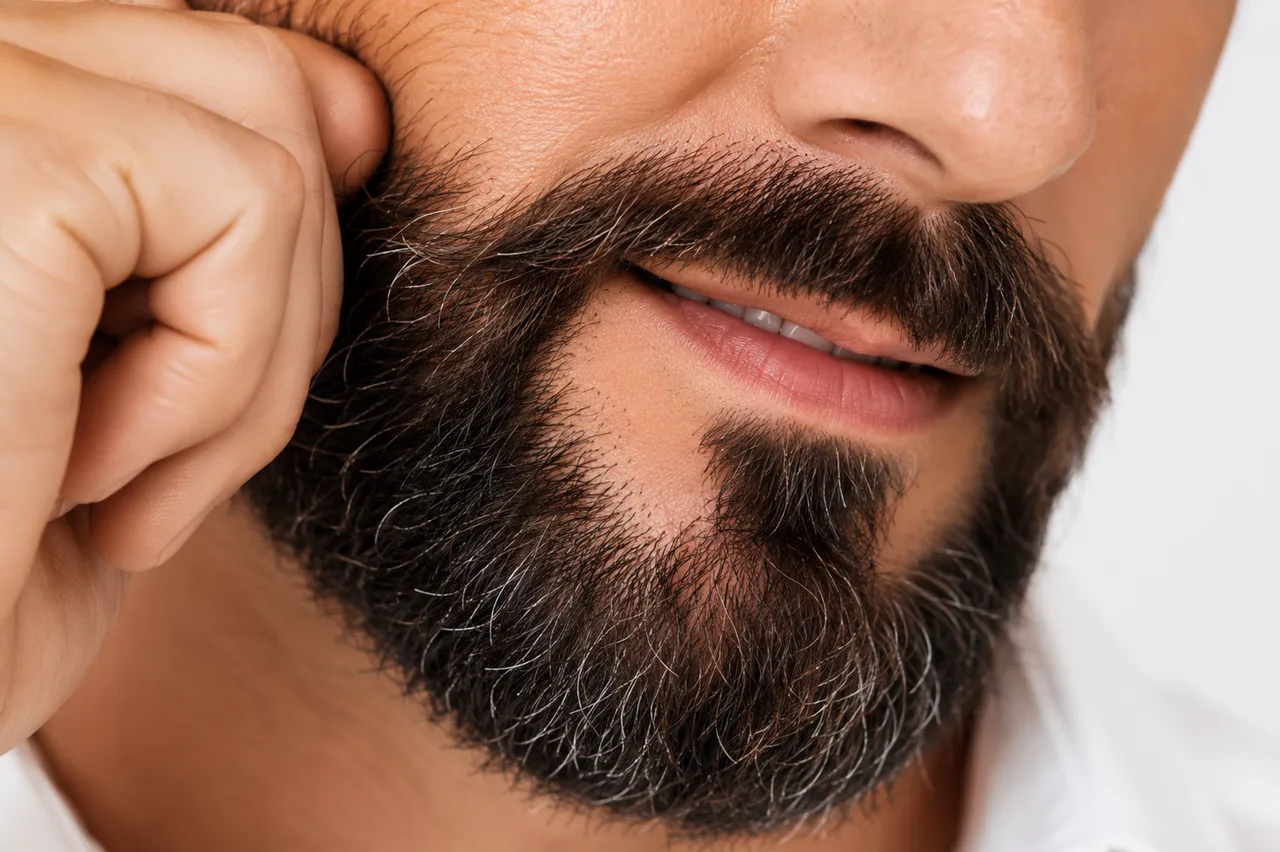
Every scalp graft placed first. Body hair only where it belongs.

Our Approach

Two Donor Reserves, One Deliberate Sequence

Donor mapping and a small test extraction check graft quality before a full session

Available scalp grafts are allocated first, to the hairline and frontal third

Body follicles are harvested with FUE punches adjusted for each region's follicle angle

Grafts are sorted by calibre, curl and length potential before placement

Beard and body grafts are placed through the mid-scalp and crown, where texture differences are least visible

Almost always combined with scalp grafts rather than used alone

Results are reviewed on a slightly longer schedule than standard scalp transplants

Treatment Areas

Body Hair Transplant (BHT) for Hair, Beard and Eyebrows

The same technique is executed differently in each area — graft size, implantation angle and density all change with the zone being treated.

Hair & Scalp

Beard and body grafts are used to add density in the crown and mid-scalp, where texture differences are least noticeable, while scalp grafts are reserved for the hairline. This split is what allows advanced cases to achieve coverage that a depleted scalp donor alone could not.

Beard & Moustache

The relationship runs in both directions — chest and body hair can be used to build beard density when the scalp donor is committed elsewhere. Body hair matches beard texture more closely than it matches scalp hair, so results here are often excellent.

Explore Beard Transplant

Eyebrows

Body hair is generally avoided for eyebrows, because differences in curl and growth cycle are immediately visible in such a small, exposed area. Fine nape or single scalp hairs remain the preferred donor for brow work.

Explore Eyebrow Transplant

Body Hair Transplant (BHT) Results
at Elora

Before
Before
After
After
Before
Before
After
After
Before
Before
After
After
Before
Before
After
After
Before
Before
After
After
Before
Before
After
After
Before
Before
After
After
Before
Before
After
After

Candidacy

Is Body Hair Transplant (BHT) Right for You?

You Are Likely a Good Candidate If

  • Depleted or over-harvested scalp donor areas
  • Advanced hair loss needing more grafts than the scalp can supply
  • Patients with dense beard or chest hair
  • Repair cases correcting previous poor-quality transplants
  • Adding density to the crown where texture variation is least visible

This May Not Be the Right Technique If

  • Patients with adequate scalp donor supply — scalp hair is always the first choice
  • Building a frontal hairline from body hair alone
  • Sparse body and beard hair, which will not yield useful graft numbers
  • Patients unwilling to accept possible texture and length differences
  • Anyone who does not want small dot marks in beard or chest donor zones

How Body Hair Transplant (BHT) Is Performed, Step by Step

1

Donor Mapping & Test Extraction

Beard, chest and body density are assessed and a small test extraction may be performed to check graft quality and how each area heals before committing to a full session.

2

Prioritising Scalp Donor

Available scalp grafts are allocated first, to the zones where they matter most — almost always the hairline and frontal third.

3

Body & Beard Extraction

Body follicles are harvested with FUE punches, often slightly smaller than those used on the scalp, with technique adjusted for the different follicle angle in each region.

4

Graft Sorting by Characteristics

Grafts are grouped by calibre, curl and length potential so that each can be placed where its characteristics blend best.

5

Zoned Implantation

Scalp grafts go to the hairline and frontal zone; beard and body grafts are placed through the mid-scalp and crown to build density behind them.

6

Staged Review

Because body hair growth cycles differ, results are reviewed on a slightly longer schedule than standard scalp transplants.

Compare

Scalp vs Beard vs Body Donor Hair

Scalp vs Beard vs Body Donor Hair
Scalp donorBeard donorChest / body donor
CalibreMediumThickFine
Density availableHighHighLow to moderate
Growth cycleLongLongShort
Maximum lengthFullGoodLimited
Best placementHairline, frontal zoneCrown, mid-scalp, beardBlending and background density
Texture match to scalpPerfectGoodVariable
Donor marksConcealed by hairSmall dots under jawSmall dots on chest or body
Typical yield per session1,500–4,000500–1,500300–1,000

Honest Assessment

Benefits and Considerations

Benefits

  • Extends graft supply well beyond the scalp donor limit
  • Makes advanced hair loss cases treatable that otherwise are not
  • Beard grafts add substantial visual bulk in the crown
  • Valuable for repairing previous poor-quality transplants
  • Donor marks in beard and chest areas are easily concealed
  • Can be combined with scalp FUE in the same session

Considerations

  • Body hair may differ in texture, curl and maximum length
  • Growth cycles are shorter, so hair may not grow as long
  • Graft survival rates are generally lower than scalp-to-scalp transplantation
  • Yield per session is lower, requiring more extraction time
  • Not suitable for building a natural frontal hairline on its own
  • Results take slightly longer to mature than scalp grafts

Recovery

Your Recovery and Growth Timeline

  1. Days 1–3

    Donor sites across beard or chest are pinpoint-marked and mildly tender. Recipient care follows the standard FUE protocol.

  2. Days 5–10

    Body and beard donor marks fade quickly. Recipient crusting clears.

  3. Weeks 2–6

    Shedding phase in the recipient area, as with all transplant techniques.

  4. Months 4–5

    New growth appears — typically a little later than pure scalp transplants.

  5. Months 9–12

    Density builds and body-hair grafts begin to adopt some scalp-hair growth characteristics.

  6. Months 15–18

    Final assessment. Body-hair cases are reviewed on a longer schedule than standard FUE.

Google Reviews

What Our Patients Say

5-star rated clinic on Google

Very friendly and professional.

Alireza Mahmoudian, Verified Google Review

Frequently Asked Questions

Can body hair really be transplanted to the scalp?

Yes. Beard, chest, abdomen, back and leg follicles can all be extracted with FUE and implanted into the scalp. The important caveats are that body hair keeps some of its original growth characteristics — shorter cycles, different curl, sometimes different texture — and that survival rates are generally lower than scalp-to-scalp grafting.

Which body area is the best donor?

The beard, clearly. Beard hair is thick, grows densely under the jaw and neck, and produces grafts with enough calibre to create real visual density in the crown and mid-scalp. Chest hair is the usual second choice for blending work.

Will body hair look different on my head?

It can. Curl, calibre and maximum length may differ from your scalp hair. That is precisely why body grafts are placed in the crown and mid-scalp rather than the hairline, and why they are almost always combined with scalp grafts rather than used alone.

Will I have marks on my chest or beard?

Small pinpoint marks, the same as scalp FUE donor sites. In the beard they sit under the jaw and neck and are effectively invisible. On the chest they fade over several weeks and are typically concealed by remaining hair.

Is BHT suitable for a first hair transplant?

Rarely. If your scalp donor is healthy it should always be used first — it is the better donor in every respect. BHT exists for patients whose scalp supply is inadequate, over-harvested or already committed.

Does beard hair keep growing like beard hair once transplanted?

It retains some of its original characteristics, including a tendency toward greater thickness and a somewhat shorter maximum length. Over time, many transplanted beard hairs partially adapt to their new environment, though the adaptation is incomplete.

Book Your Free Hair Restoration Consultation

Every Elora hair restoration journey begins with a complimentary consultation and scalp assessment. Our specialists evaluate your donor area, hair loss pattern, facial proportions and long-term goals, then recommend the technique — or combination of techniques — that will give you the most natural result.