Technique 04 · FUT / Strip Method

FUT Hair Transplant in Dubai (Strip Method)

The highest graft yield achievable in a single session. A strip of donor scalp is removed and dissected under microscopes into intact follicular units — the technique for advanced hair loss with a strong donor area.

Highest Graft Yield

The highest graft yield achievable in a single session

Microscope-Dissected Grafts

Microscope dissection produces consistently intact, robust grafts

Efficient Donor Use

Efficient lifetime use of a finite donor supply

Lowest Cost Per Graft

Generally the lowest cost per graft

FUT hair transplant Dubai

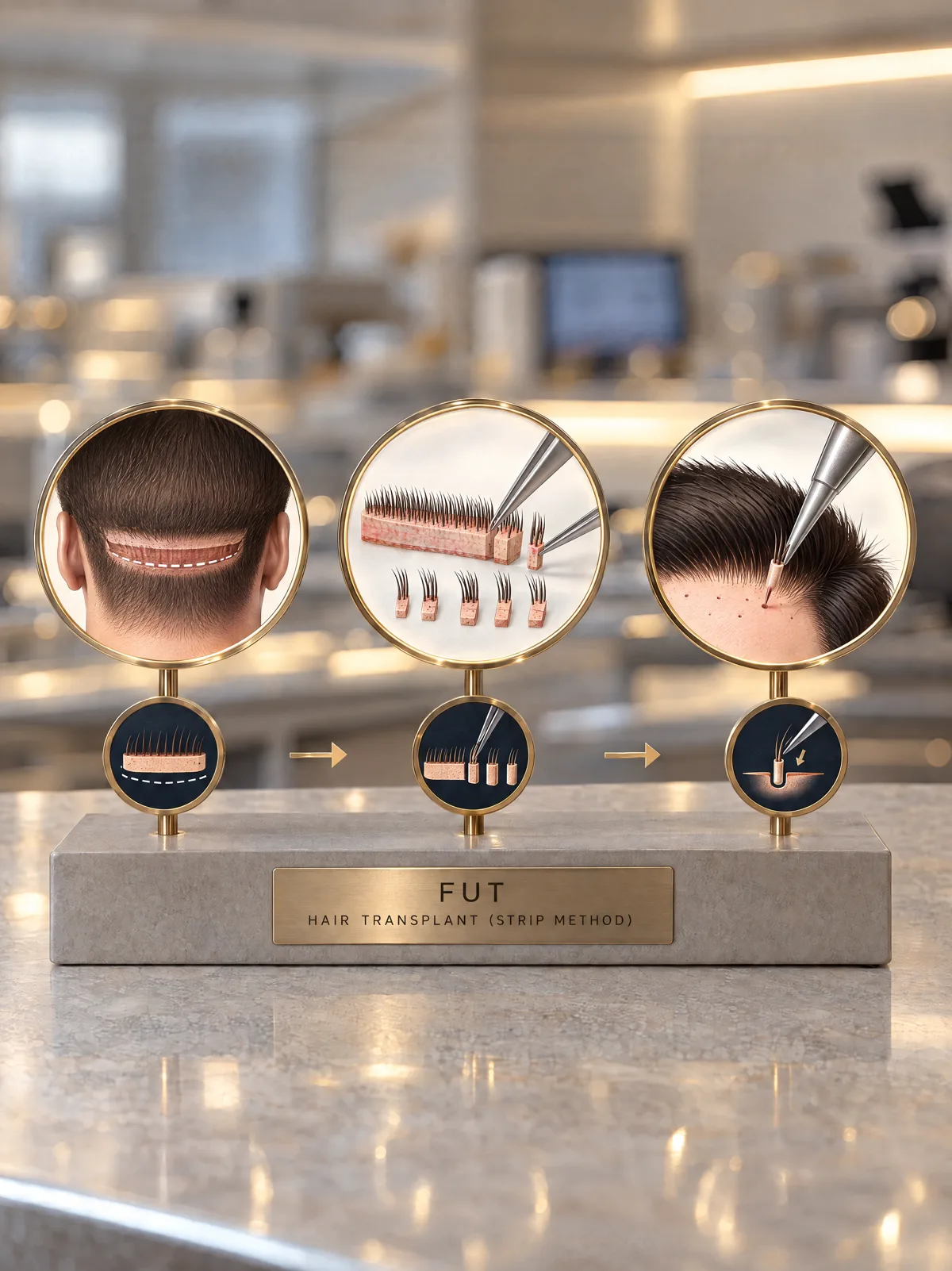
FUT (Follicular Unit Transplantation), also called the strip method, removes a thin strip of skin from the permanent donor zone at the back of the head. The strip is dissected under microscopes into individual follicular units, which are implanted into the thinning area. FUT delivers the highest graft yield of any technique — often 2,000 to 5,000 grafts in one session — at the cost of a fine linear donor scar.

Anaesthetic
Local
Session length
5–8 hours
Typical grafts
2,000–5,000+
Back to work
5–7 days
Shaving
Donor strip only
Results
12–18 months

The Technique

What Is FUT (Follicular Unit Transplantation)?

FUT is the original follicular unit technique and, for the right patient, it remains the most productive. A narrow strip of skin — typically one to one and a half centimetres wide — is removed from the permanent donor zone at the back of the head. The wound is closed with a trichophytic closure that encourages hair to grow through the resulting line, and the strip goes to the dissection bench.

There, under stereo microscopes, technicians separate the strip into individual follicular units. This is the technique's central advantage: units are cut out under direct magnified vision, with the surrounding protective tissue intact, rather than punched blind through the skin. Transection rates are consistently low and the grafts tend to be robust.

FUT has fallen out of fashion because it leaves a line rather than dots, and because most patients want the option of cropping their hair short. But when a patient needs four or five thousand grafts, has good scalp laxity, and intends to keep their hair at a normal length, no other technique moves as much hair in a single day.
No other technique moves as much hair in a single day.
Our Approach

Every Graft, Under the Microscope

Trichophytic closure so hair grows through the donor line, not beside it

Strip divided under stereo microscopes into single, double, triple and quadruple-hair units

Recipient sites opened at the planned angle, depth and direction

Grafts placed by unit size to build a natural density gradient

Microscope dissection produces consistently intact, robust grafts

Efficient lifetime use of a finite donor supply

Well documented across decades of published outcomes

Treatment Areas

FUT Hair Transplant (Strip Method) for Hair, Beard and Eyebrows

The same technique is executed differently in each area — graft size, implantation angle and density all change with the zone being treated.

Hair & Scalp

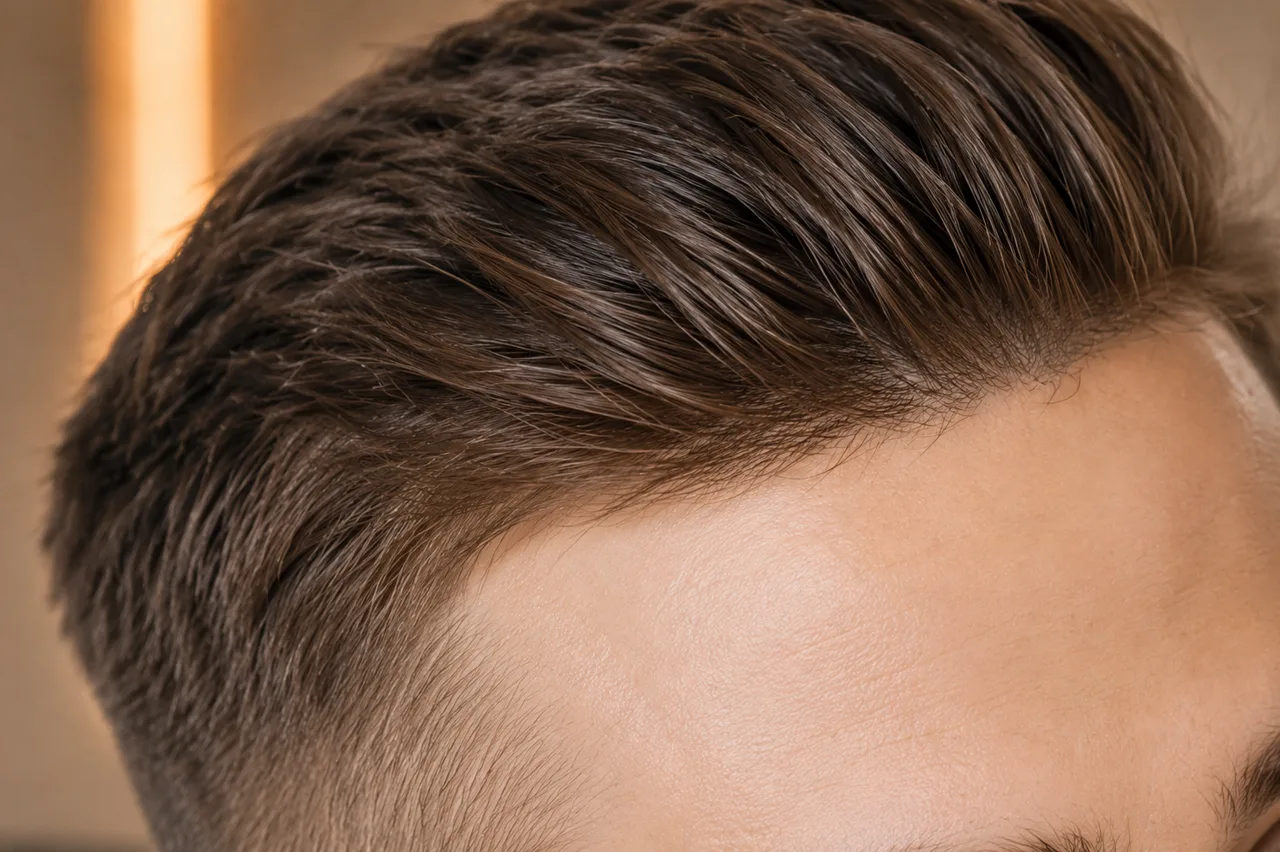
FUT is used for advanced pattern loss where large areas need coverage in one sitting — a full frontal restoration plus crown, for example, in a single session rather than two staged FUE procedures. It also preserves donor supply efficiently for patients likely to need future sessions.

Beard & Moustache

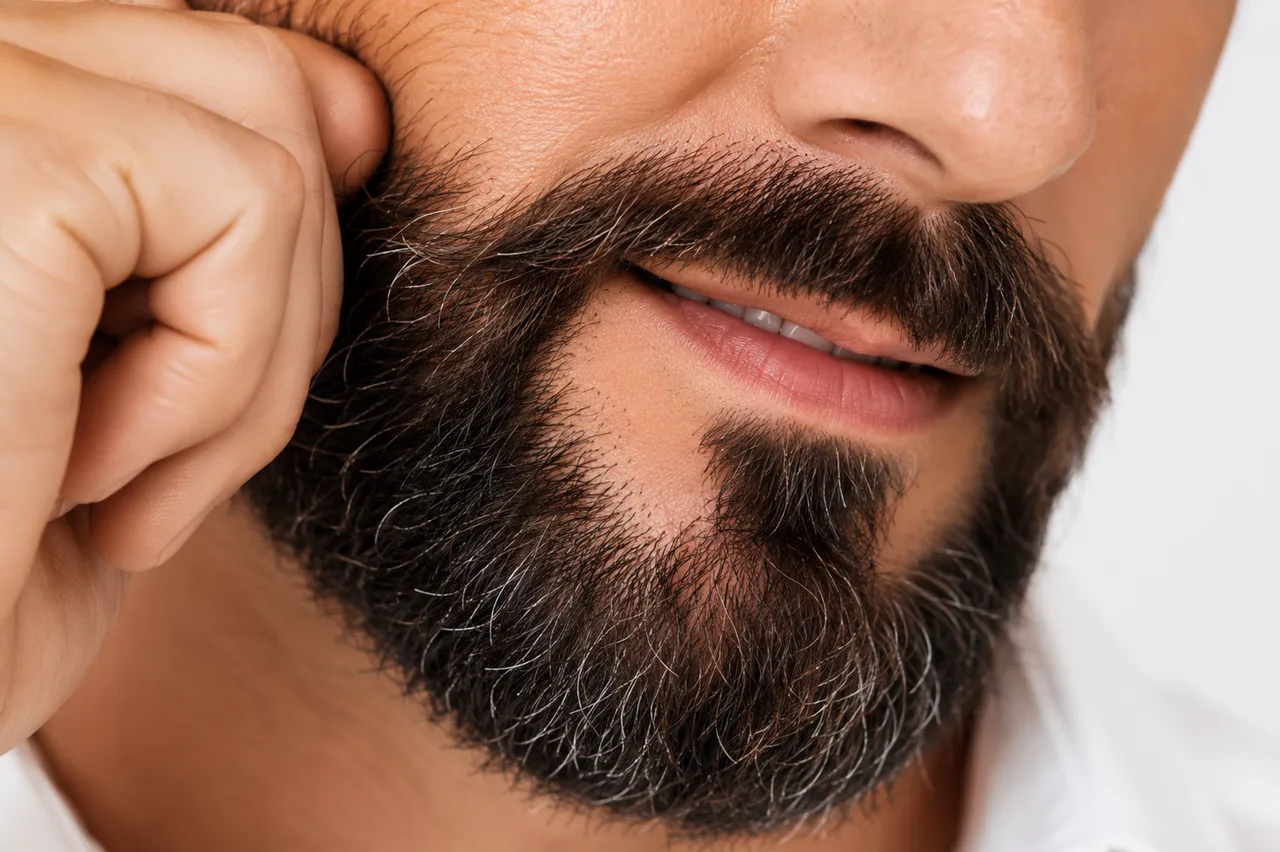
FUT is rarely selected as a primary beard technique, because beard cases seldom require the graft volumes that justify a strip. It is occasionally used when a very large beard reconstruction is combined with scalp work in the same session.

Explore Beard Transplant

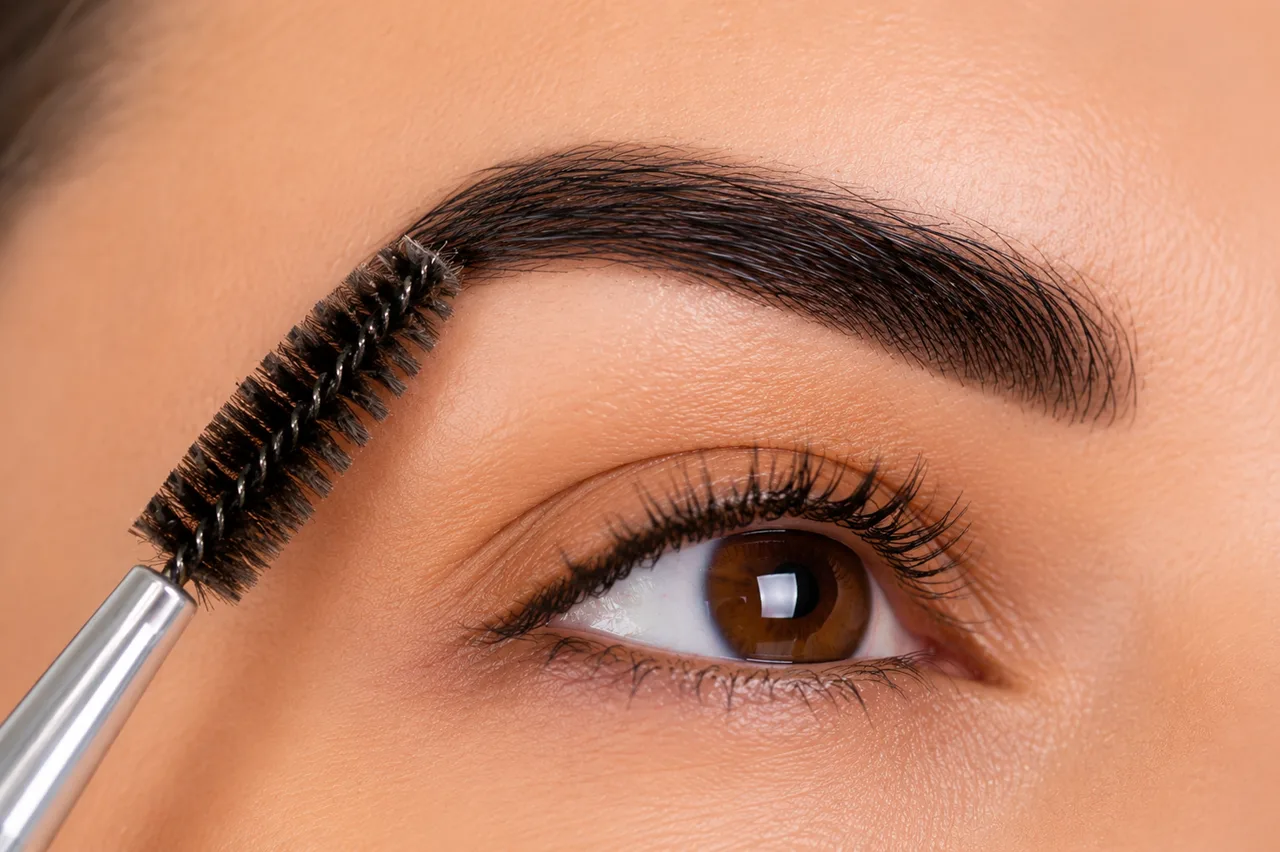
Eyebrows

FUT is not used for eyebrows alone. Brow reconstruction needs 150 to 400 single-hair grafts per side — far too few to warrant a strip excision, and better served by DHI or FUE.

Explore Eyebrow Transplant

FUT Hair Transplant (Strip Method) Results
at Elora

Before
Before
After
After
Before
Before
After
After
Before
Before
After
After
Before
Before
After
After
Before
Before
After
After
Before
Before
After
After
Before
Before
After
After
Before
Before
After
After

Candidacy

Is FUT Hair Transplant (Strip Method) Right for You?

You Are Likely a Good Candidate If

  • Advanced hair loss requiring very high graft numbers
  • Good scalp laxity in the donor region
  • Patients who keep their hair at a normal or long length
  • Those wanting maximum coverage in one session rather than staged surgery
  • Patients whose donor supply must be used as efficiently as possible over a lifetime

This May Not Be the Right Technique If

  • Anyone who wants to shave or crop their hair very short
  • Patients with tight scalps and poor donor laxity
  • Those with a history of keloid or hypertrophic scarring
  • Patients needing only small or moderate graft numbers
  • Anyone unwilling to accept a permanent linear scar

How FUT Hair Transplant (Strip Method) Is Performed, Step by Step

1

Assessment & Laxity Testing

Scalp laxity is measured directly, since it determines how wide a strip can be taken and closed without tension. Poor laxity is a contraindication, not an inconvenience.

2

Strip Excision

Under local anaesthetic, a narrow strip is removed from the permanent donor zone at the height where the band is safest and densest.

3

Trichophytic Closure

The wound edges are closed so that hair grows through the scar line rather than beside it, which substantially reduces how visible the line becomes.

4

Microscopic Dissection

The strip is divided under stereo microscopes into intact single, double, triple and quadruple-hair units — the step that gives FUT its high yield of undamaged follicles.

5

Recipient Site Creation

Sites are opened at the planned angle, depth and direction, with the same design discipline used in FUE and Sapphire FUE.

6

Implantation

Grafts are placed by unit size to build a natural density gradient across the treated zones.

Compare

FUT vs FUE: Choosing Between Them

FUT vs FUE: Choosing Between Them
FUT (Strip)FUE
Grafts per session2,000–5,000+1,500–4,000
ScarOne fine linear scarPinpoint dot scars
ShavingStrip area onlyDonor area shaved
Can wear hair very shortNot advisableYes
Follicle transection riskLow — microscope dissectionSlightly higher — blind punching
Donor healing10–14 days, stitches removed7–10 days, no stitches
Donor discomfortModerate for the first weekMinimal
Lifetime donor efficiencyHigher yield per area usedLower yield per area used
Cost per graftGenerally lowerGenerally higher

Honest Assessment

Benefits and Considerations

Benefits

  • The highest graft yield achievable in a single session
  • Microscope dissection produces consistently intact, robust grafts
  • Only the strip area is trimmed — the rest of your hair stays full length
  • Efficient lifetime use of a finite donor supply
  • Generally the lowest cost per graft
  • Well documented across decades of published outcomes

Considerations

  • Leaves a permanent fine linear scar
  • Very short haircuts will reveal the line
  • Requires stitches or staples, removed at ten to fourteen days
  • More donor discomfort and tightness in the first week
  • Requires adequate scalp laxity — not all patients qualify
  • Not suitable for patients with a keloid scarring history

Recovery

Your Recovery and Growth Timeline

  1. Days 1–3

    Donor tightness and mild discomfort are normal. Avoid bending, straining and neck flexion.

  2. Days 5–7

    Recipient crusting clears. Most patients return to work at the end of this week.

  3. Days 10–14

    Stitches or staples are removed at the clinic and the closure is assessed.

  4. Weeks 2–6

    Shedding phase in the recipient area. The donor line begins to soften and flatten.

  5. Months 3–4

    New growth appears; hair begins to grow through the trichophytic closure line.

  6. Months 12–18

    Final density. The donor line matures to a fine pale line concealed by surrounding hair.

Google Reviews

What Our Patients Say

5-star rated clinic on Google

Very friendly and professional.

Alireza Mahmoudian, Verified Google Review

Frequently Asked Questions

Is FUT outdated?

No — it is more selectively used. FUE overtook it because most patients want the freedom to wear short hair, not because FUT produces inferior grafts. For a patient needing four or five thousand grafts with good scalp laxity who keeps their hair at normal length, FUT remains the most productive single-session option available.

How visible is the FUT scar?

With a properly executed trichophytic closure the line is typically one to three millimetres wide and hair grows through it. At normal hair lengths it is not visible. At a number two clipper guard or shorter it will be. That trade-off is the single most important thing to be clear about before choosing FUT.

Can the FUT scar be corrected later?

Yes. FUE grafts can be implanted directly into and around the linear scar to camouflage it, which is one of the main applications of our Scar Revision Hair Transplant service. Results depend on the scar's width and the blood supply within the scar tissue.

Is FUT more painful than FUE?

The procedure itself is comparable — both are performed under local anaesthetic. Recovery differs: FUT patients experience more donor tightness and tenderness in the first week, and have stitches to manage. Recipient-area recovery is essentially identical.

Can I have FUT if I've already had FUE?

Often yes, provided scalp laxity is adequate and the donor zone has not been over-harvested. The reverse is also true — FUE after FUT is routine, and is frequently how a strip scar is camouflaged.

How many grafts can FUT give me?

Typically 2,000 to 5,000 in one session, and occasionally more with excellent laxity and density. Your consultation includes a direct laxity measurement and donor density count to establish your realistic ceiling.

Book Your Free Hair Restoration Consultation

Every Elora hair restoration journey begins with a complimentary consultation and scalp assessment. Our specialists evaluate your donor area, hair loss pattern, facial proportions and long-term goals, then recommend the technique — or combination of techniques — that will give you the most natural result.