Hair & Scalp
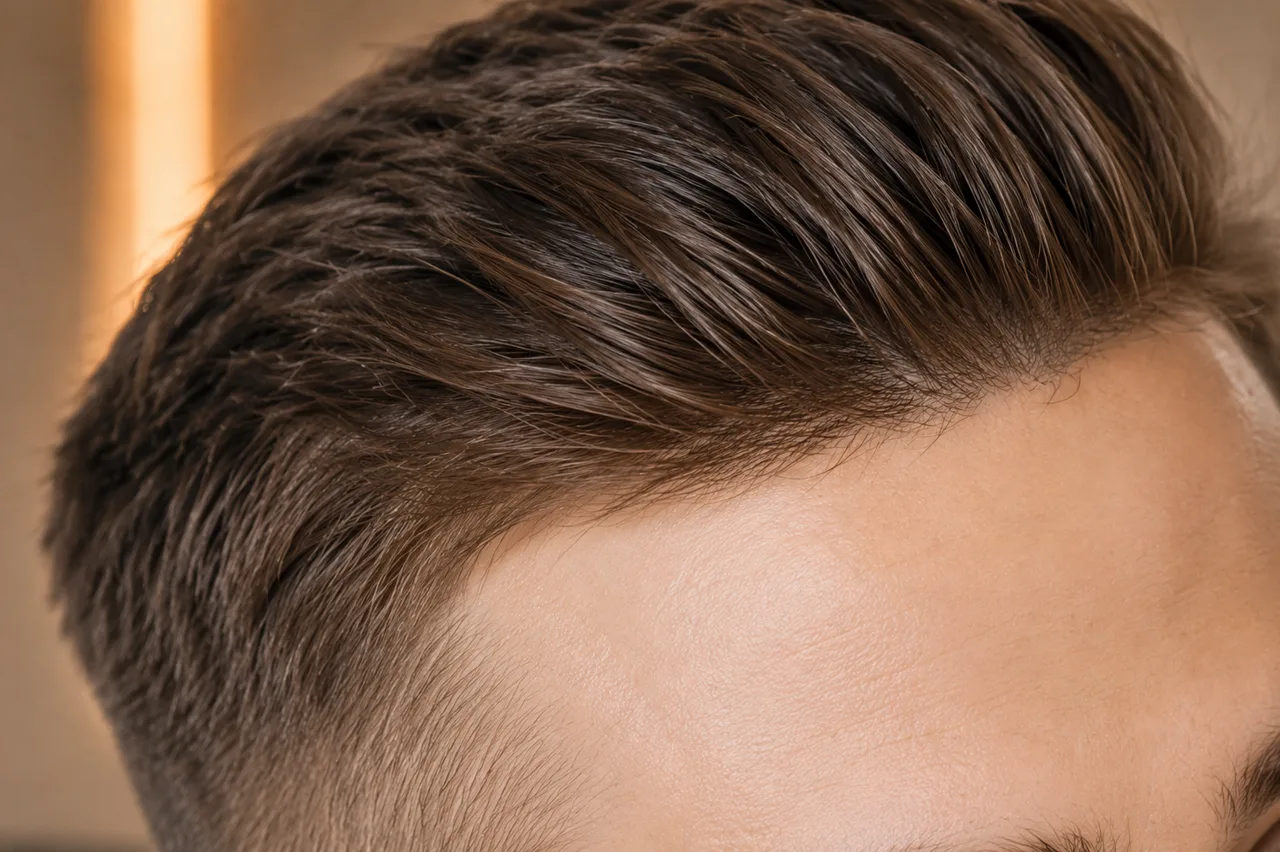
FUE rebuilds receding temples, thinning crowns and diffuse density loss using 1,500 to 4,000 grafts in a single session. The hairline is designed with an irregular, softened front edge so it reads as grown rather than drawn.

Technique 01 · FUE
Follicular units removed one at a time with a micro-punch under a millimetre wide. No blade, no stitches, no linear scar — the technique that made hair transplantation invisible.
Advanced FUE Technique
Precise follicle extraction and implantation
Personalized Hairline Design
Tailored to your facial structure and age
Natural Density & Direction
Grafts placed to mimic natural growth
Natural, Long-Term Results
Undetectable results that improve over time
FUE hair transplant Dubai
FUE (Follicular Unit Extraction) is a hair transplant technique in which individual follicular units are removed one by one from the donor area using a cylindrical punch of 0.7–1.0 mm, then implanted into the thinning area. Because no strip of skin is removed, FUE leaves no linear scar — only pinpoint marks that fade within weeks. Recovery is typically 7 to 10 days.

The Technique
FUE stands for Follicular Unit Extraction. Hair does not grow as separate strands — it grows in natural clusters of one to four hairs called follicular units. FUE removes those units individually, using a rotating or oscillating punch between 0.7 and 1.0 millimetres in diameter, from the permanent donor zone at the back and sides of the scalp.
Because nothing is cut and nothing is stitched, the donor area heals as a field of pinpoint marks rather than a line. Within a few weeks those marks are invisible at conversational distance, and most patients can wear their hair short afterwards — the single most common reason patients choose FUE over the strip method.
Each extracted unit is then implanted into recipient sites opened at the correct angle, depth and direction for the zone it will occupy. Single-hair units go at the very front edge of the hairline; denser two- and three-hair units sit behind them. That gradient is what makes the boundary between transplanted and native hair impossible to find.
“Designed for your face. Not from a template.”
Our Approach
Advanced FUE technique for precise extraction and implantation
Natural angulation and growth direction for undetectable results
High-density implantation where needed
Minimal scarring and natural-looking outcomes
Hairline design tailored to your facial structure and age
Long-term aesthetic planning that accounts for natural aging
Personalized restoration strategy built around your goals

Treatment Areas
FUE rebuilds receding temples, thinning crowns and diffuse density loss using 1,500 to 4,000 grafts in a single session. The hairline is designed with an irregular, softened front edge so it reads as grown rather than drawn.
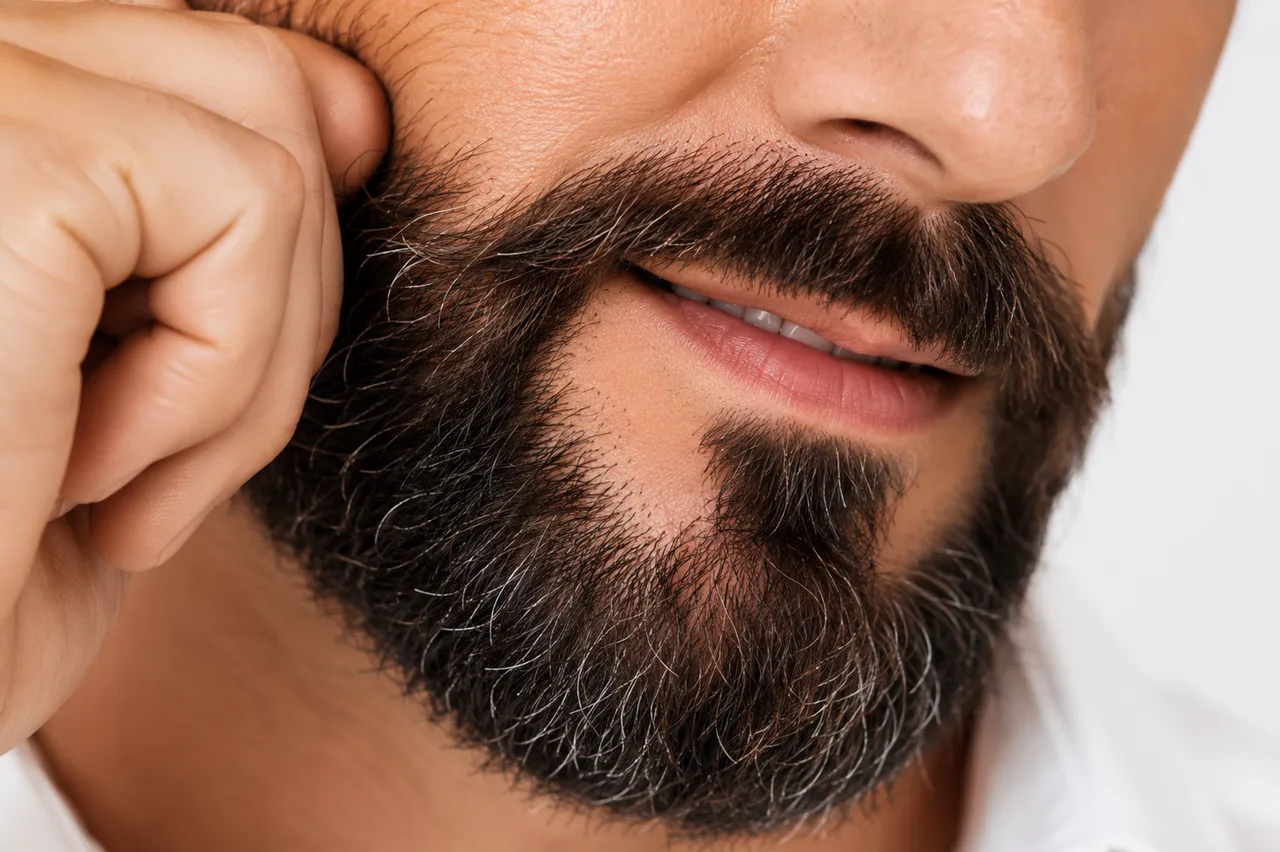
Scalp follicles are transplanted into patchy cheeks, thin jawlines and moustache gaps at the sharp acute angle facial hair grows at. Beard work typically needs 800 to 2,500 grafts depending on how much of the face is being filled.
Explore Beard Transplant →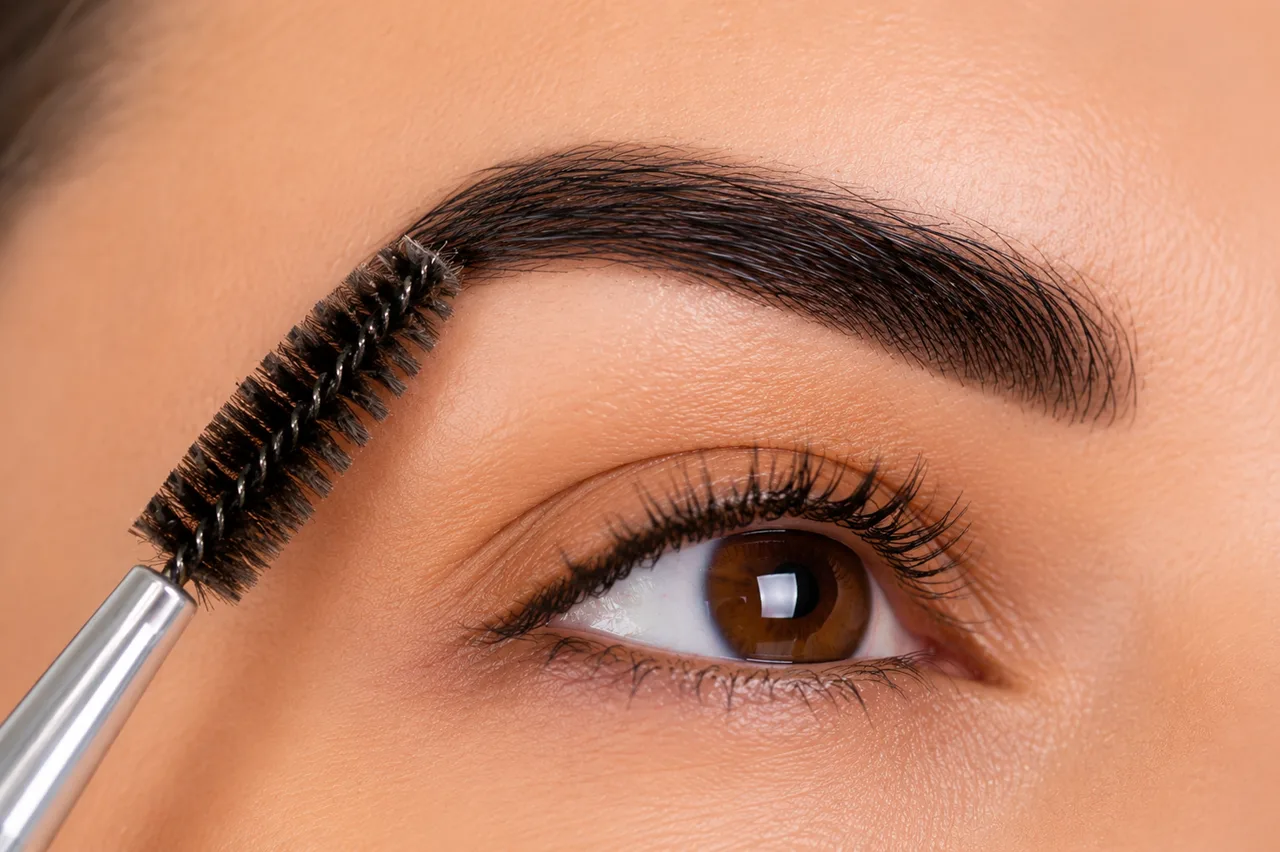
Only single-hair units are used, implanted almost flat against the skin and angled to follow the natural sweep of the brow from head to tail. A full brow reconstruction usually requires 150 to 400 grafts per side.
Explore Eyebrow Transplant →


Candidacy
Your hairline is drawn on your own face and adjusted with you in the mirror. Graft numbers are confirmed per zone and photographs are taken for your medical record.
The donor area is trimmed to about one millimetre and local anaesthetic is administered. Most patients describe the injections as the only genuinely uncomfortable part of the day.
Follicular units are removed one at a time with a micro-punch, following a scattered harvesting pattern so donor density stays visually even rather than leaving patches.
Grafts are examined under magnification, separated into single, double and triple-hair units, and held in a chilled preservation solution to protect viability.
Sites are opened at the angle, depth and direction appropriate to each zone. Site design controls density, direction and the final naturalness of the result more than any other single step.
Grafts are placed unit by unit — singles at the front edge, multi-hair units behind — building the density gradient that makes the transplant undetectable.
Compare
Swipe to see more
| FUE | FUT (Strip) | |
|---|---|---|
| Donor harvest | Units punched individually | Strip of scalp removed and dissected |
| Scarring | Pinpoint dot scars | One fine linear scar |
| Stitches | None | Required, removed at 10–14 days |
| Shaving | Donor area shaved | Only the strip area trimmed |
| Grafts per session | 1,500–4,000 | 2,000–5,000+ |
| Wearing hair short after | Yes | Not advisable |
| Donor discomfort | Minimal | Moderate for the first week |
| Recovery | 7–10 days | 10–14 days |
Honest Assessment
Recovery
Days 1–3
Mild swelling and pinpoint scabbing. Sleep semi-upright. Your first wash is performed or supervised by the clinic.
Days 4–10
Scabs soften and clear with the prescribed washing protocol. Most patients return to work within this window.
Weeks 2–6
Transplanted hairs shed. This is expected and temporary — the follicle stays in place beneath the skin.
Months 3–4
New growth emerges, initially fine and lighter in colour than your existing hair.
Months 6–9
Density builds noticeably and the transplanted hair thickens and takes on normal texture.
Months 12–18
Final density, calibre and styling behaviour. Your twelve-month review documents the outcome.
Google Reviews
Very friendly and professional.
— Alireza Mahmoudian, Verified Google Review
The procedure itself is not painful. Local anaesthetic is administered at the start and the only genuinely uncomfortable part for most patients is those first injections. During the session patients read, watch films or sleep. Mild tenderness in the donor area for two to three days afterwards is normal and controlled with simple pain relief.
FUE leaves pinpoint circular marks roughly one millimetre across where each unit was removed, rather than a line. They fade to near-invisibility within weeks and are not detectable at conversational distance even with hair cut short. Visible dotting is a sign of punches that were too large or harvesting that was too concentrated.
It depends on the area being covered and the density you want. As a guide, a hairline and temple restoration usually needs 1,500 to 2,500 grafts, adding the crown pushes it to 4,000, a full beard is typically 1,500 to 2,500, and eyebrows need 150 to 400 per side. Your donor density is measured at consultation to confirm what is safely available.
The donor area is normally shaved for standard FUE, and the recipient area is usually trimmed too. If shaving is not acceptable to you, Long Hair FUE or DHI can often be performed with partial or no shaving — both take longer and handle fewer grafts per session.
Most patients return to desk work within three to five days, and to the gym after two weeks. Heavy lifting, swimming, saunas and direct sun exposure should wait a full month.
Yes. The extraction technique is identical; what changes is graft selection and implantation angle. Beard grafts are placed at a much sharper angle than scalp grafts, and eyebrow grafts are single hairs laid almost flat against the skin.
Follicles taken from the permanent donor zone are genetically resistant to DHT, the hormone responsible for pattern hair loss, so they keep growing for life. Native hair around them can still thin, which is why medical maintenance is discussed as part of your plan.
Related Techniques
Discover a personalized restoration plan designed specifically for your hair loss pattern, facial structure and long-term goals.