Technique 02 · Sapphire FUE

Sapphire FUE Hair Transplant in Dubai

The same extraction as classic FUE — but recipient channels are opened with sapphire crystal blades instead of steel. Smaller wounds, less swelling, and grafts packed closer together.

Sapphire Crystal Blades

Sharper, smoother channels than steel

Higher-Density Packing

45–55 grafts per cm² in the frontal zone

Reduced Swelling & Faster Healing

Crust clears in 5–8 days

Precise for Face & Brow Work

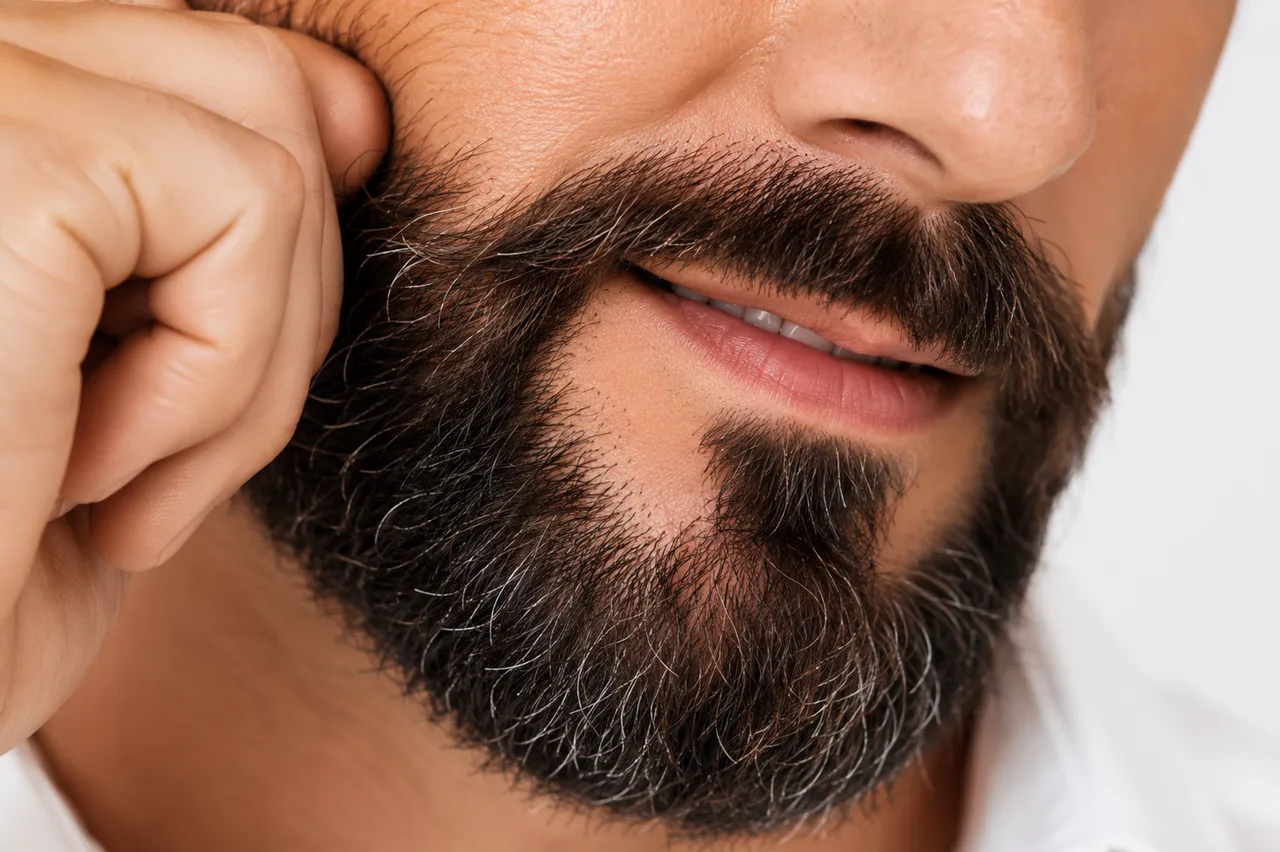
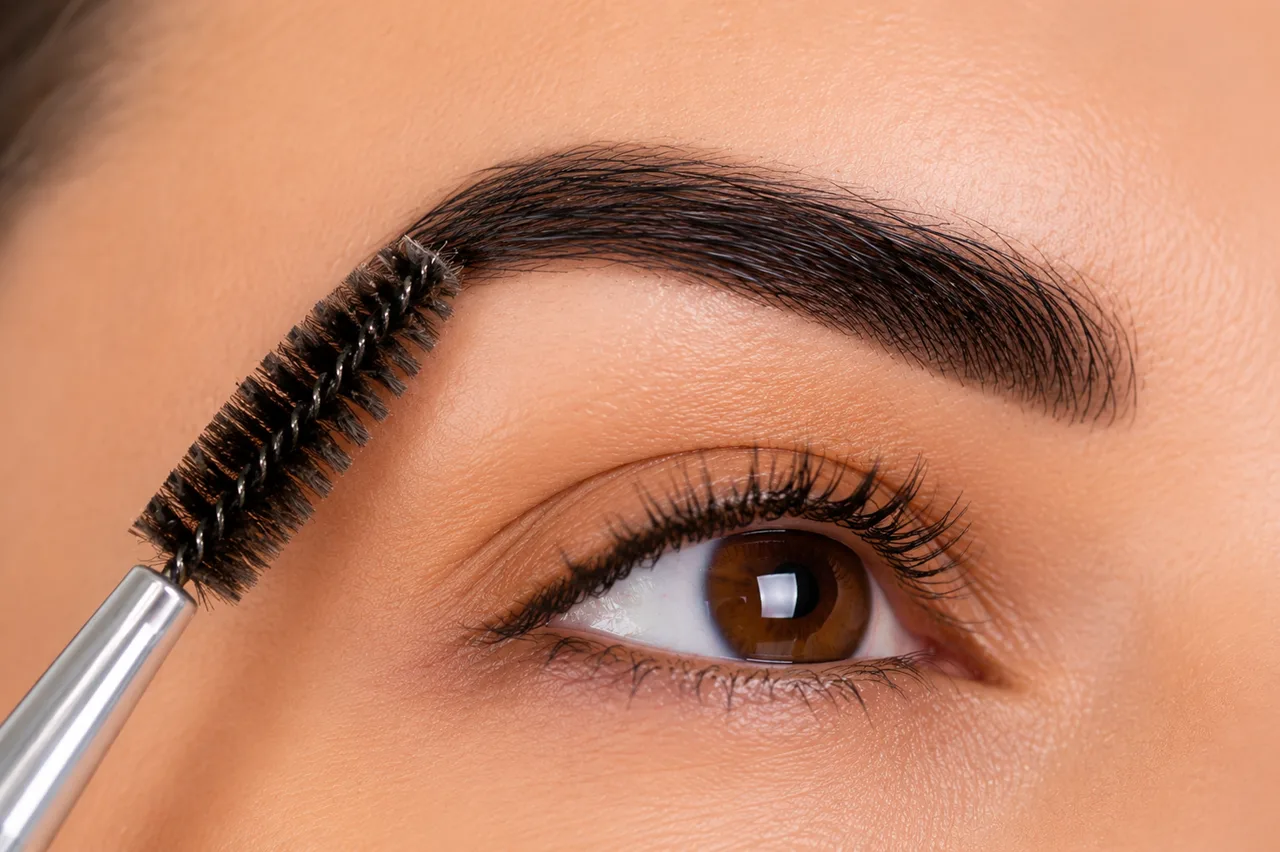
Shallow, uniform incisions for beard and eyebrows

Sapphire FUE Dubai

Sapphire FUE is a refinement of standard FUE in which the recipient channels are opened with blades made from synthetic sapphire crystal instead of steel. The sapphire tip is sharper and smoother, creating narrower, more uniform micro-channels. In practice this means less tissue trauma, reduced swelling, faster crust healing — typically 5 to 8 days — and the ability to place grafts closer together for higher density.

Anaesthetic
Local
Session length
6–8 hours
Typical grafts
2,000–4,500
Back to work
3–4 days
Shaving
Usually required
Results
12–18 months

The Technique

What Is Sapphire FUE?

Sapphire FUE is not a different way of harvesting hair. Extraction is identical to standard FUE — follicular units are removed individually with a micro-punch. What changes is the second half of the operation: how the recipient sites are made.

In classic FUE those sites are opened with steel blades. Sapphire FUE uses blades machined from synthetic sapphire, a crystal second only to diamond in hardness. The tip can be ground far sharper and stays sharp across thousands of incisions, where steel dulls progressively through a long session and begins to tear rather than cut.

The clinical consequence is a narrower, smoother, more uniform channel that matches the graft's own dimensions. Less surrounding tissue is disturbed, so there is less bleeding and swelling, crusting clears sooner, and — because the channels are smaller — they can be placed closer together without compromising blood supply. That is what makes higher-density packing possible.
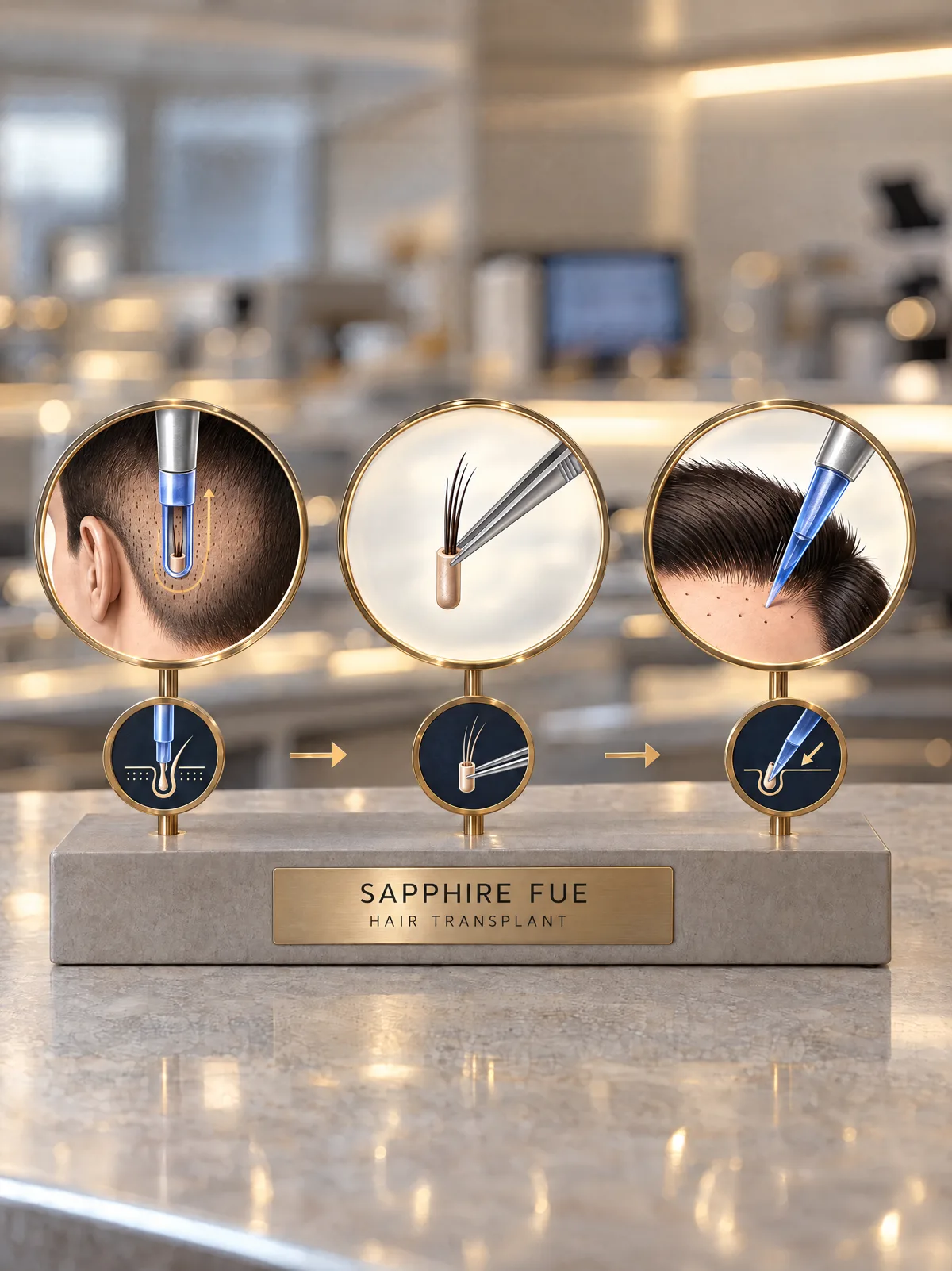
Every channel matched to the graft it holds.

Our Approach

Precision Channels, Higher Density

Sapphire crystal blades machined sharper than steel for cleaner channels

Recipient sites sized to match each graft, reducing tissue trauma

Blade width chosen per graft type, not applied uniformly

Density targets set zone by zone at the design stage

Faster crust healing and reduced post-operative swelling

Higher achievable density in the frontal zone where it matters most

Built on standard FUE — the same trusted extraction, with refined recipient-site precision

Treatment Areas

Sapphire FUE Hair Transplant for Hair, Beard and Eyebrows

Hair & Scalp

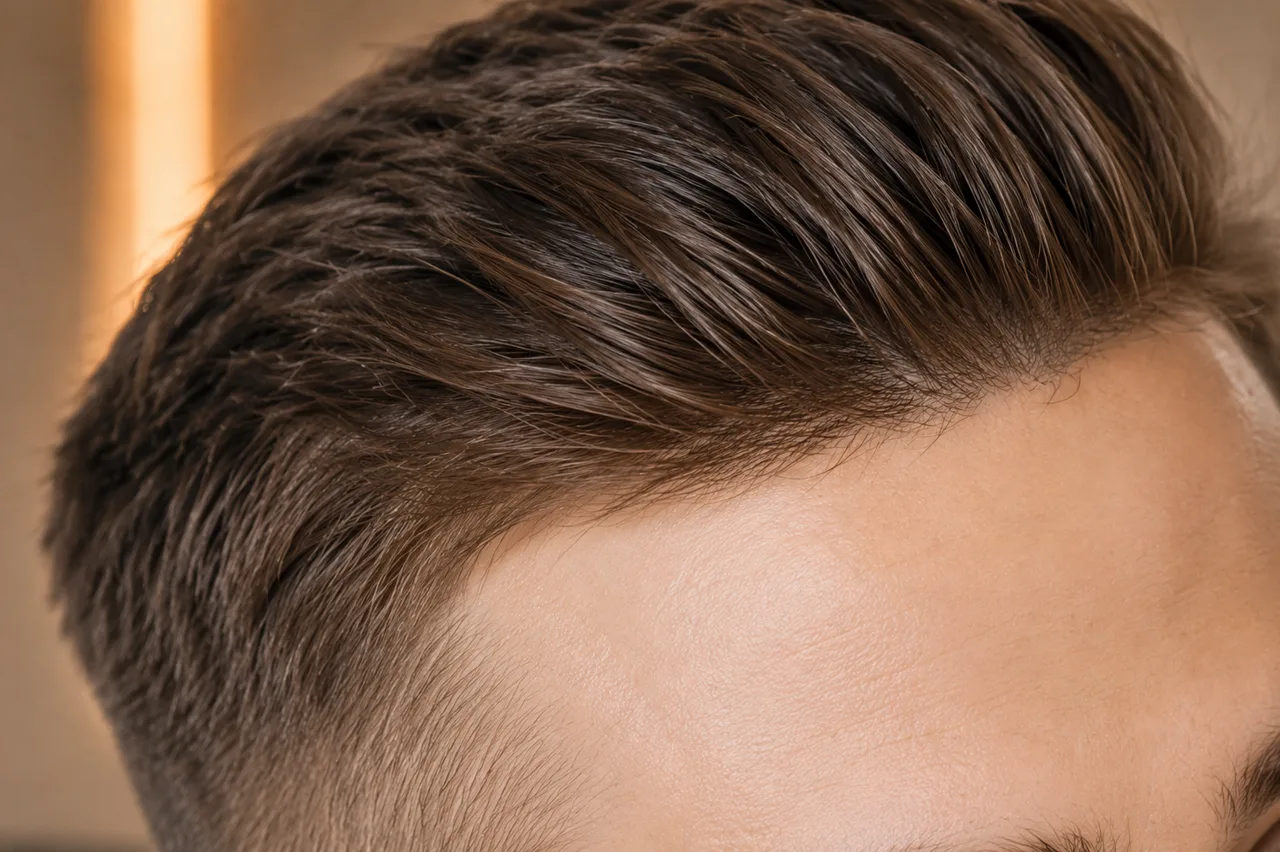
The precision of sapphire channels allows 45 to 55 grafts per square centimetre in the frontal zone, producing a visibly fuller hairline in one session. It is the technique of choice when a patient wants maximum density in the front third of the scalp.

Beard & Moustache

Facial skin is thinner and more vascular than the scalp, so smaller channels mean noticeably less post-operative redness and swelling across the cheeks. The sharper tip also holds the very acute angle beard grafts require more reliably.

Explore Beard Transplant

Eyebrows

Brow skin is unforgiving and every channel is visible if it is wrong. Sapphire blades make the shallow, near-flat incisions brow work demands with far less tissue distortion than steel.

Explore Eyebrow Transplant

Sapphire FUE Hair Transplant Results
at Elora

Before
Before
After
After
Before
Before
After
After
Before
Before
After
After
Before
Before
After
After
Before
Before
After
After
Before
Before
After
After
Before
Before
After
After
Before
Before
After
After

Candidacy

Is Sapphire FUE Hair Transplant Right for You?

You Are Likely a Good Candidate If

  • Anyone who is a candidate for standard FUE
  • Patients wanting maximum density in the frontal zone
  • Patients prone to swelling or slow healing
  • Those wanting the shortest realistic visible recovery
  • Beard and eyebrow cases where channel precision matters most

This May Not Be the Right Technique If

  • Patients with a depleted donor area — the limitation is donor supply, not blade type
  • Unstabilised, rapidly progressing hair loss
  • Cases where the surgeon judges lateral slit design with steel more appropriate
  • Active scalp disease or infection at the treatment site

How Sapphire FUE Hair Transplant Is Performed, Step by Step

1

Design & Density Planning

Because sapphire channels permit tighter packing, density targets are set zone by zone at the design stage rather than improvised during surgery.

2

Donor Preparation & Anaesthesia

The donor area is trimmed and local anaesthetic administered, exactly as in standard FUE.

3

Extraction

Follicular units are harvested individually with a micro-punch in a scattered pattern to preserve even donor appearance.

4

Sapphire Channel Creation

Sapphire blades in sizes matched to your graft calibre open the recipient channels at the planned angle, depth and direction. Blade width is chosen per graft type, not applied uniformly.

5

Implantation

Grafts are placed into channels sized to fit them, which reduces movement, popping and repositioning during the placement phase.

6

Post-Operative Review

The recipient area is photographed and your washing protocol is demonstrated before you leave.

Compare

Sapphire FUE vs Classic FUE

Sapphire FUE vs Classic FUE
Sapphire FUEClassic FUE
Extraction methodMicro-punch (identical)Micro-punch (identical)
Channel instrumentSapphire crystal bladeSteel blade
Channel shapeNarrow, smooth, uniformWider, less uniform as steel dulls
Achievable density45–55 grafts/cm²35–45 grafts/cm²
SwellingReducedModerate
Crust healing5–8 days7–10 days
Tissue traumaLowerStandard
CostModest premiumBaseline

Honest Assessment

Benefits and Considerations

Benefits

  • Smaller, more uniform recipient channels
  • Higher achievable density in the frontal zone
  • Less post-operative swelling and redness
  • Faster crust clearance — typically 5 to 8 days
  • Blade sharpness stays consistent across a long session
  • Lower risk of graft movement during placement

Considerations

  • It does not increase how many grafts your donor area can supply
  • Carries a modest cost premium over classic FUE
  • The advantage depends entirely on the surgeon's channel design skill
  • Not every case benefits — some designs are better served by steel lateral slits
  • Marketing frequently overstates the difference; the gain is real but incremental

Recovery

Your Recovery and Growth Timeline

  1. Days 1–2

    Minimal swelling compared with standard FUE. Sleep semi-upright and follow the spray protocol.

  2. Days 3–7

    Crusting clears faster than classic FUE. Many patients are presentable by day five to seven.

  3. Weeks 2–6

    Shedding phase. Transplanted hairs fall; the follicles remain.

  4. Months 3–4

    First new growth appears through the recipient zone.

  5. Months 6–9

    Density becomes obvious — this is where the tighter packing shows its value.

  6. Months 12–18

    Final density and texture. Documented at your twelve-month review.

Google Reviews

What Our Patients Say

5-star rated clinic on Google

Very friendly and professional.

Alireza Mahmoudian, Verified Google Review

Frequently Asked Questions

Is Sapphire FUE better than normal FUE?

It is better at one specific thing: making recipient channels. Extraction, graft handling and design are unchanged, so the difference is incremental rather than transformative — less swelling, faster crust healing and the ability to pack grafts more densely. It does not change how many grafts your donor area can supply, and it cannot compensate for poor hairline design.

Does Sapphire FUE hurt less?

During the procedure the experience is the same, because both are performed under local anaesthetic. Afterwards, most patients report less tightness and swelling in the recipient area, because less surrounding tissue was disturbed.

How much denser can grafts be placed?

In the frontal zone, sapphire channels commonly allow 45 to 55 grafts per square centimetre versus roughly 35 to 45 with standard steel blades. Density above that range is rarely advisable — blood supply, not instrumentation, becomes the limiting factor.

Is Sapphire FUE more expensive?

Yes, modestly. The blades are single-use and considerably more costly than steel. At Elora the difference is quoted transparently at consultation so you can weigh it against the benefit in your specific case.

Can Sapphire FUE be combined with DHI?

Yes, and it is a common combination. Sapphire channels are used through the mid-scalp and crown for efficiency, while DHI implanter pens are used along the hairline where the finest control over angle and depth matters most.

Does it work for beard and eyebrow transplants?

Particularly well. Facial and brow skin are thin and highly visible, so the reduction in tissue trauma and the precision of the incision matter more there than anywhere on the scalp.

Book Your Free Hair Restoration Consultation

Discover a personalized restoration plan designed specifically for your hair loss pattern, facial structure and long-term goals.