Hair & Scalp
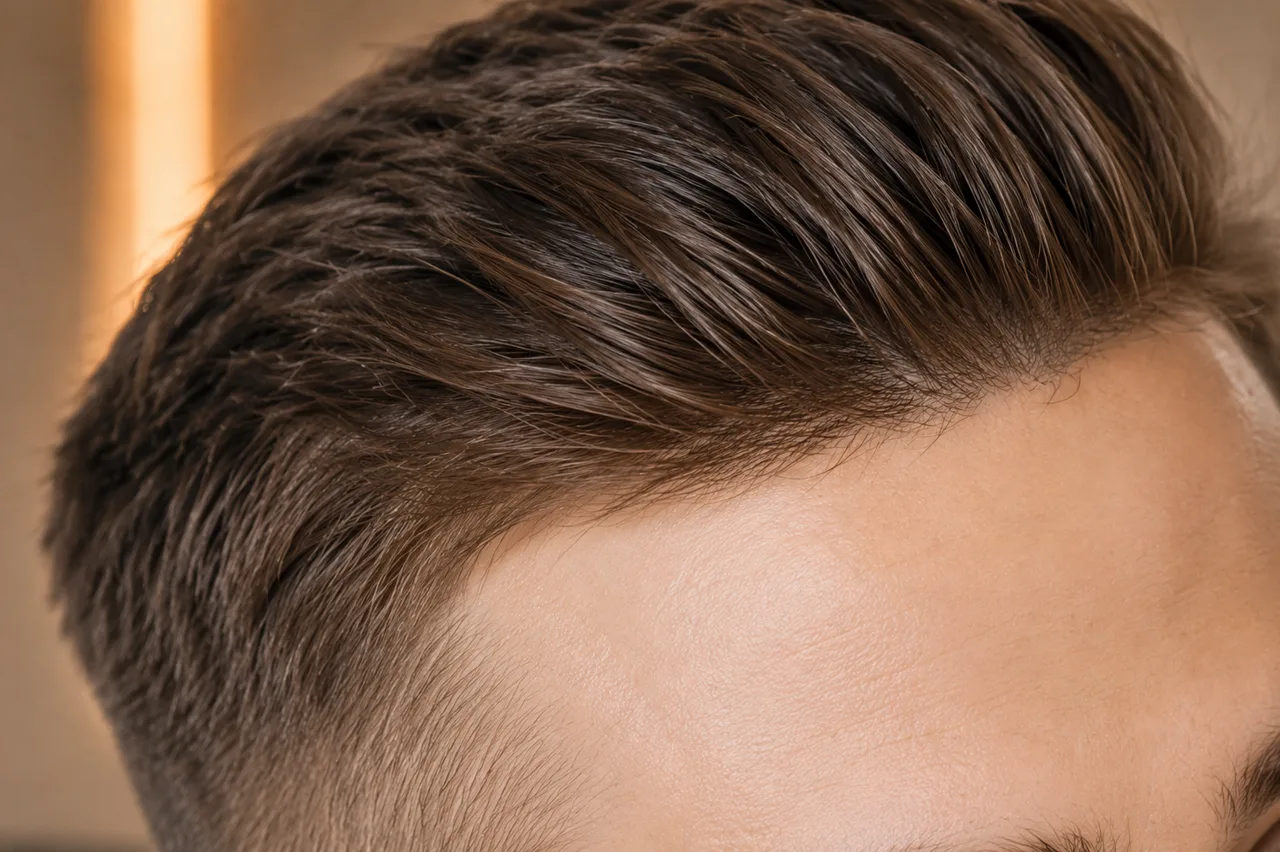
The main application: adding immediate cosmetic density across the frontal zone, mid-scalp and crown where no donor supply exists. Fibres are colour and curl matched to any remaining native hair.
Technique 08 · Biofibre
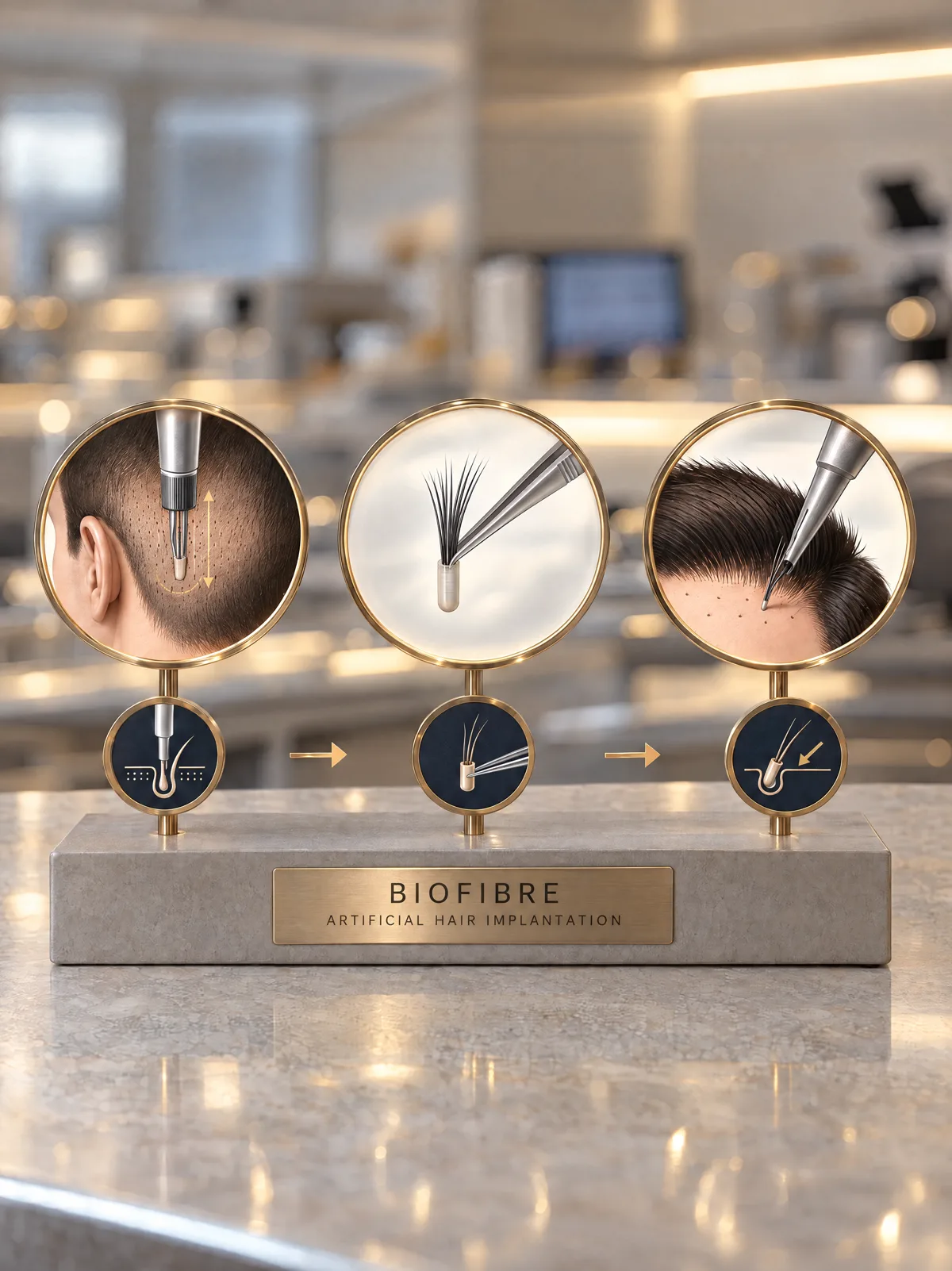
Immediate density without a single donor follicle. Biocompatible fibres implanted one by one — an option for patients with no viable donor supply, offered with a full and honest account of what it requires.
No Donor Area Required
Density added without moving a single living follicle
Immediate, Visible Density
Result visible the moment the implantation session ends
Colour & Curl Matched to You
Fibres available in a range of shades, and in straight, wavy and curly profiles
Full Disclosure Before You Decide
Regulatory status, fibre loss rate and maintenance commitment explained in writing first
Biofibre hair implant Dubai
Biofibre is an artificial hair implantation system in which biocompatible synthetic fibres are implanted individually into the scalp to create immediate cosmetic density. Unlike a hair transplant, no living follicles are moved and no donor area is required, so the result is visible the same day. Fibres do not grow, are gradually lost at roughly 15 to 20 percent per year, and require an annual top-up session plus strict scalp hygiene.
The Technique
Biofibre is not a hair transplant. No living follicle is moved, nothing grows, and there is no donor area involved. Individual biocompatible polyamide fibres, manufactured with a knot at one end that anchors beneath the scalp, are implanted one at a time using a dedicated implanter. Density is visible the moment the session ends.
That immediacy is the entire appeal, and it is a real one for a specific group of patients: those whose donor area is genuinely exhausted, those with scarring alopecia where transplantation is not viable, and those who need coverage on a timeline that biology cannot meet. For everyone else, a hair transplant is the better option and we will say so.
What Biofibre asks in return is maintenance. Fibres are lost gradually — commonly 15 to 20 percent in the first year — and must be replaced at annual top-up sessions to hold the look. Scalp hygiene must be meticulous, because implanted foreign material carries an ongoing risk of local infection and inflammation that living grafts do not.
“Offered with a full and honest account of what it requires.”
Our Approach
Mandatory 30-day tolerance test before any full session is offered
Fibre colour, length and curl matched to your remaining native hair
Each fibre implanted individually at the angle of natural growth
Antiseptic washing protocol taught before discharge
Limitations, maintenance requirements and regulatory position explained in writing before anything else happens
Offered only to patients with no viable transplant option
Annual top-up sessions required to maintain density — set out clearly before you commit
Treatment Areas
The same technique is executed differently in each area — graft size, implantation angle and density all change with the zone being treated.
The main application: adding immediate cosmetic density across the frontal zone, mid-scalp and crown where no donor supply exists. Fibres are colour and curl matched to any remaining native hair.
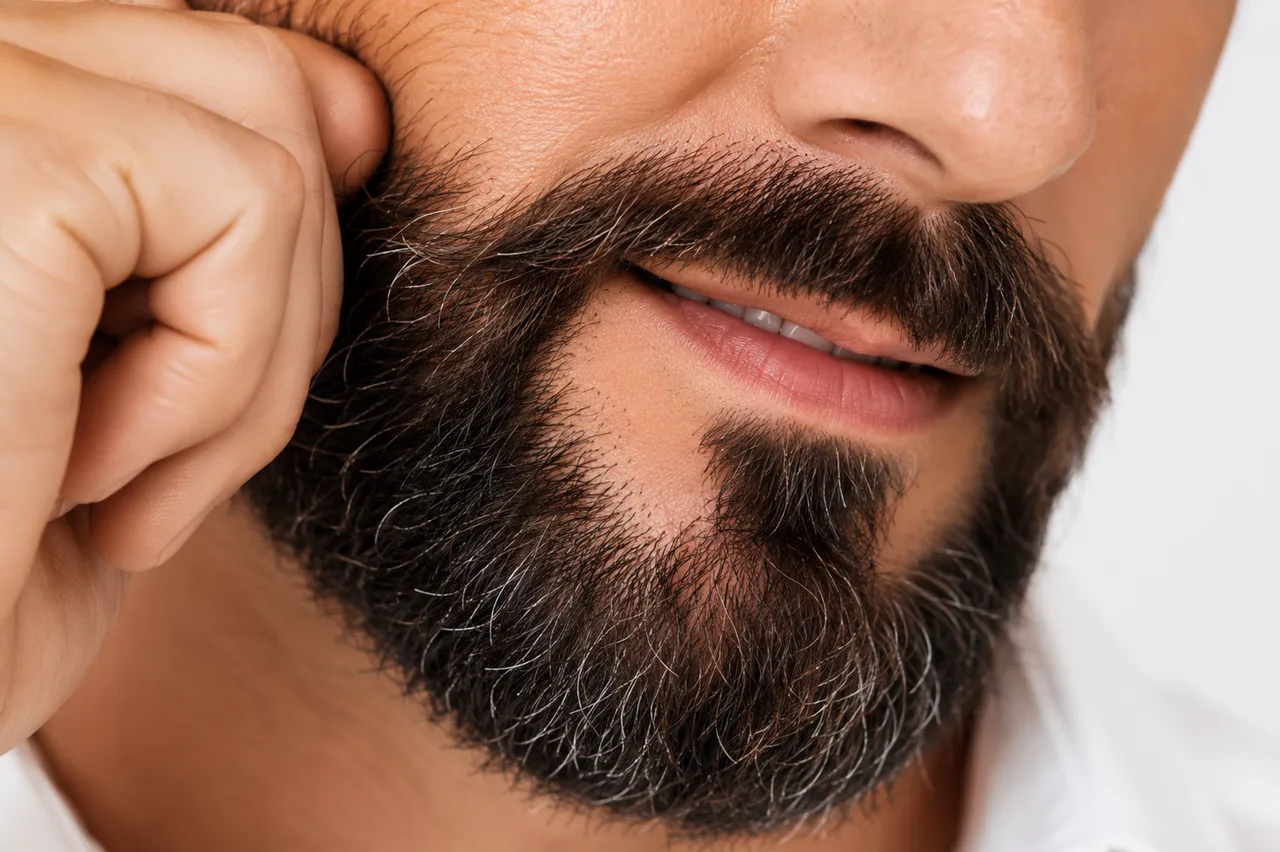
Occasionally used to fill beard gaps where donor hair is unavailable, though facial skin is more mobile and more prone to inflammation, so the technique is used cautiously here.
Explore Beard Transplant →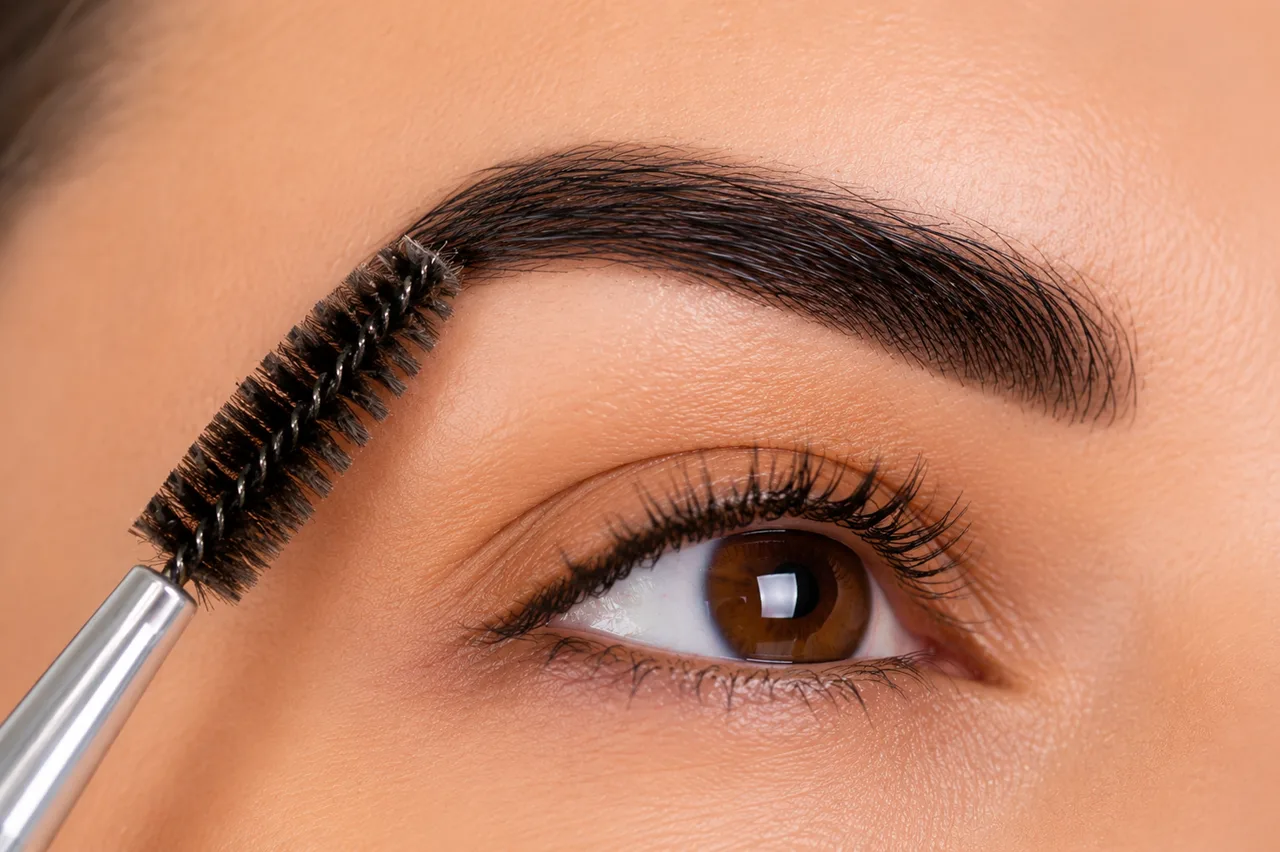
Elora does not recommend Biofibre for eyebrows. The skin is thin and highly exposed, movement is constant, and the consequences of local inflammation in such a visible area outweigh the cosmetic benefit — DHI brow transplantation is the appropriate route.
Explore Eyebrow Transplant →


Candidacy
The limitations, maintenance requirements and regulatory position are explained and provided in writing before anything else happens. Patients frequently choose a transplant instead at this stage — which is a correct outcome.
Approximately 100 fibres are implanted and reviewed after 30 days. Any inflammation, extrusion or reaction ends the process permanently. This step is not optional at Elora.
Fibre colour, length and curl are selected to match your remaining hair. Fibres are available in a range of shades and in straight, wavy and curly profiles.
Under local anaesthetic, fibres are implanted individually with a dedicated implanter at the angle and direction of natural growth. Sessions typically place 500 to 3,000 fibres.
Density is visible the same day. Before discharge you are trained in the antiseptic washing protocol, which is not optional and directly determines your long-term outcome.
Yearly sessions replace fibres lost through natural attrition. Skipping top-ups results in visible progressive thinning of the implanted area.
Compare
Swipe to see more
| Biofibre | FUE / DHI Transplant | |
|---|---|---|
| Material | Synthetic biocompatible fibre | Your own living follicles |
| Donor area needed | None | Required |
| Result visible | Immediately | 3–4 months, final at 12–18 |
| Does it grow | No | Yes, for life |
| Annual loss | Roughly 15–20% | None once established |
| Maintenance | Annual top-up sessions | None |
| Infection risk | Ongoing — foreign material | Limited to the healing period |
| Reversible | Fibres can be removed | Permanent |
| US FDA status | Not approved | Approved and standard |
| Best for | No viable donor | Anyone with donor supply |
Honest Assessment
Recovery
Day 0
Density is visible immediately. Antiseptic washing protocol begins the same evening.
Days 1–2
Mild redness and tenderness. Most patients return to work within forty-eight hours.
Day 30 (test phase)
Tolerance test site reviewed. Only a clean result permits a full session.
Months 1–3
Settling period. Any inflammation must be reported to the clinic immediately.
Months 6–12
Gradual fibre attrition begins and becomes measurable.
Month 12 onward
Annual top-up session to replace lost fibres and maintain density.
Google Reviews
Very friendly and professional.
— Alireza Mahmoudian, Verified Google Review
Modern CE-marked Biofibre systems have a considerably better safety profile than the synthetic hair of the 1970s and 80s, but they are not risk-free. Because implanted fibres are foreign material, there is an ongoing risk of local infection, folliculitis and cyst formation that living grafts do not carry. This is why Elora requires a tolerance test and strict hygiene compliance, and declines patients with relevant medical histories.
The FDA banned synthetic hair implants in 1983 after the materials in use at the time produced high rates of infection, rejection and scarring. Modern polymers differ substantially and are CE-marked and permitted in the UAE and much of Europe, but the FDA position has not changed. We tell patients this directly rather than leaving them to find it elsewhere.
No. Fibres are synthetic and have a fixed length chosen at implantation. They never grow, never need cutting, and are lost gradually rather than shed and regrown.
Individual fibres can remain for several years, but attrition is continuous — commonly 15 to 20 percent in the first year. Annual top-up sessions are required to maintain the result. Without them, the implanted area thins progressively and visibly.
A single session usually costs less. Over a lifetime it usually costs more, because annual top-ups continue indefinitely while a transplant is a one-time procedure. We provide a ten-year cost comparison at consultation so the decision is made on complete information.
Usually yes, provided the scalp has remained healthy and free of chronic inflammation. Fibres can be removed and transplantation planned afterwards. Repeated infection or scarring in the implanted area can compromise the tissue and make later transplantation more difficult.
Anyone with adequate donor hair — transplantation is better in every way that matters. Also excluded: patients with a positive tolerance test, keloid scarring history, autoimmune or inflammatory scalp disease, poorly controlled diabetes, immunosuppression, or anyone unwilling to commit to lifelong hygiene and annual maintenance.
Related Techniques
Artificial hair implantation is not approved by the US Food and Drug Administration, which banned synthetic hair fibres in 1983 following high rates of infection and rejection with the materials then in use. Modern CE-marked systems such as Biofibre use different polymers and carry a substantially better safety profile, and they are permitted in the UAE and much of Europe — but the technique remains contested internationally, and some surgeons decline to perform it. Elora offers it only after a mandatory tolerance test, only to patients with no viable transplant option, and only with the maintenance commitment set out in writing.
Every Elora hair restoration journey begins with a complimentary consultation and scalp assessment. Our specialists evaluate your donor area, hair loss pattern, facial proportions and long-term goals, then recommend the technique — or combination of techniques — that will give you the most natural result.